
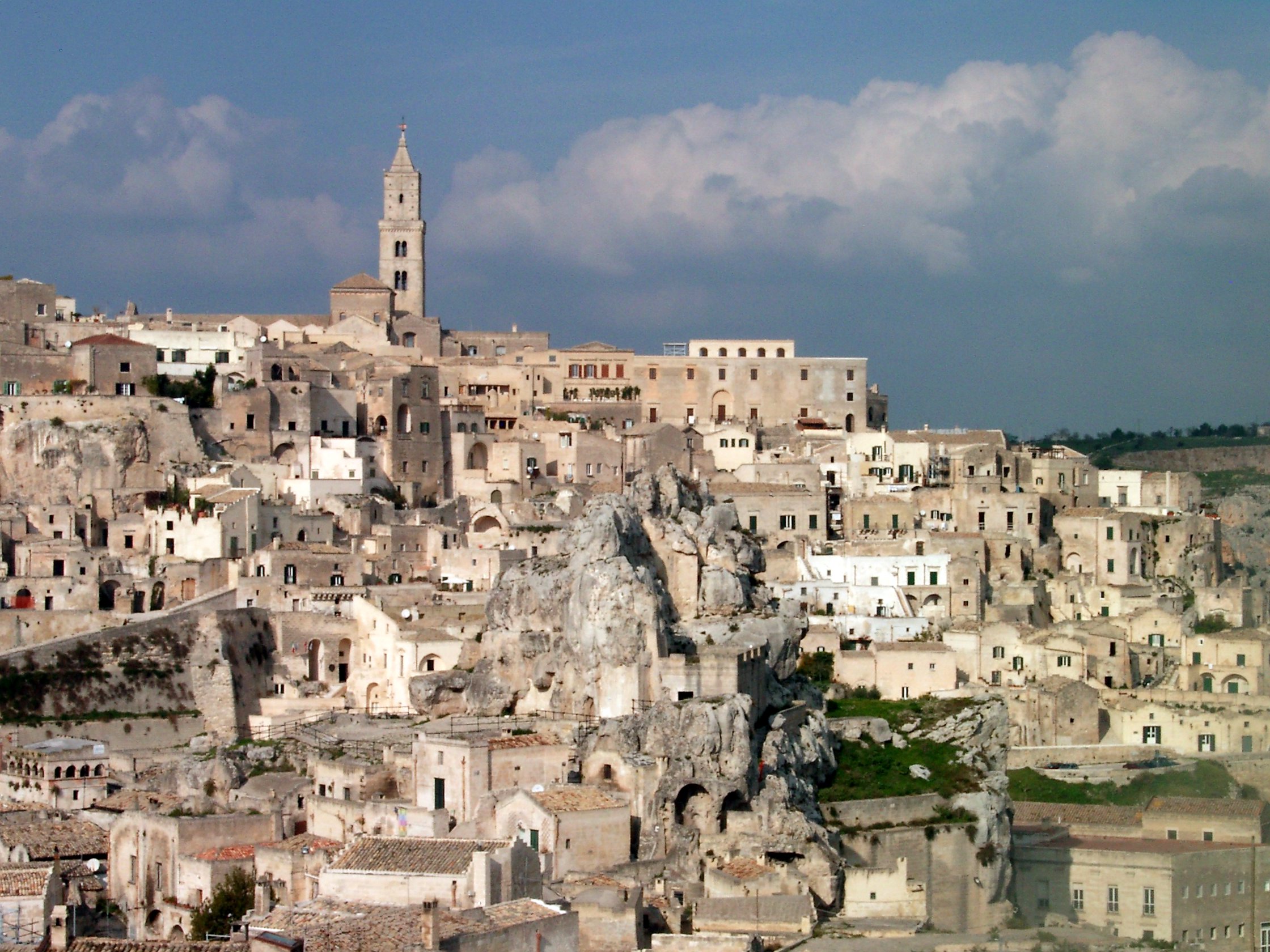
Church of San Nicola de Cupa
The Church of San Nicola de Cupa in Matera represents one of the hidden treasures of the city, a gem of rock architecture immersed in the suggestive context of the historic center. Located in the Sasso Caveoso, this church is a perfect example of how medieval communities were able to adapt the natural landscape to their spiritual and daily life, digging into the rock to create places of worship and refuge.
San Nicola de Cupa is one of the numerous rock churches in Matera, a type of construction that exploits the natural cavities of the limestone terrain, typical of the region. These churches not only served as places of prayer, but were also an integral part of the social and cultural life of the communities. The Church of San Nicola de Cupa, in particular, dates back to the 8th century and features architectural and artistic elements that testify to the influence of Byzantine culture.
The entrance of the church is simple and discreet, almost hidden in the rock, but once inside, the atmosphere changes radically. The single-nave plan with a semicircular apse is typical of the rock churches in the region. The walls, carved into the living stone, are decorated with frescoes of great historical and artistic value. These frescoes, dating from the 9th to the 13th century, depict scenes from the life of San Nicola, the Virgin Mary, and other saints, and are characterized by a style that combines Byzantine and local influences. The elongated figures and vibrant colors of the frescoes testify to the mastery of the artists of the time and their ability to adapt painting techniques to the irregular surfaces of the rock.
The main altar, also carved from the rock, is the focal point of the liturgical space. Above the altar, a large fresco depicts San Nicola in glory, surrounded by angels and saints. This fresco, of extraordinary expressive power, is a masterpiece of rock art and represents the focal point of the devotion of the faithful. The church, in fact, was an important place of worship and pilgrimage, frequented not only by locals, but also by travelers passing through the region.
A particularly interesting element in the Church of San Nicola de Cupa is the presence of a series of crypts and tombs carved into the rock. These funerary spaces, used for the burial of community members and monks who inhabited the complex, offer a unique testimony of medieval funerary practices. During the restoration works of the 20th century, numerous archaeological finds were discovered, including human bones and fragments of pottery, which have allowed the reconstruction of the history of the church and the communities that revolved around it.
Read More