
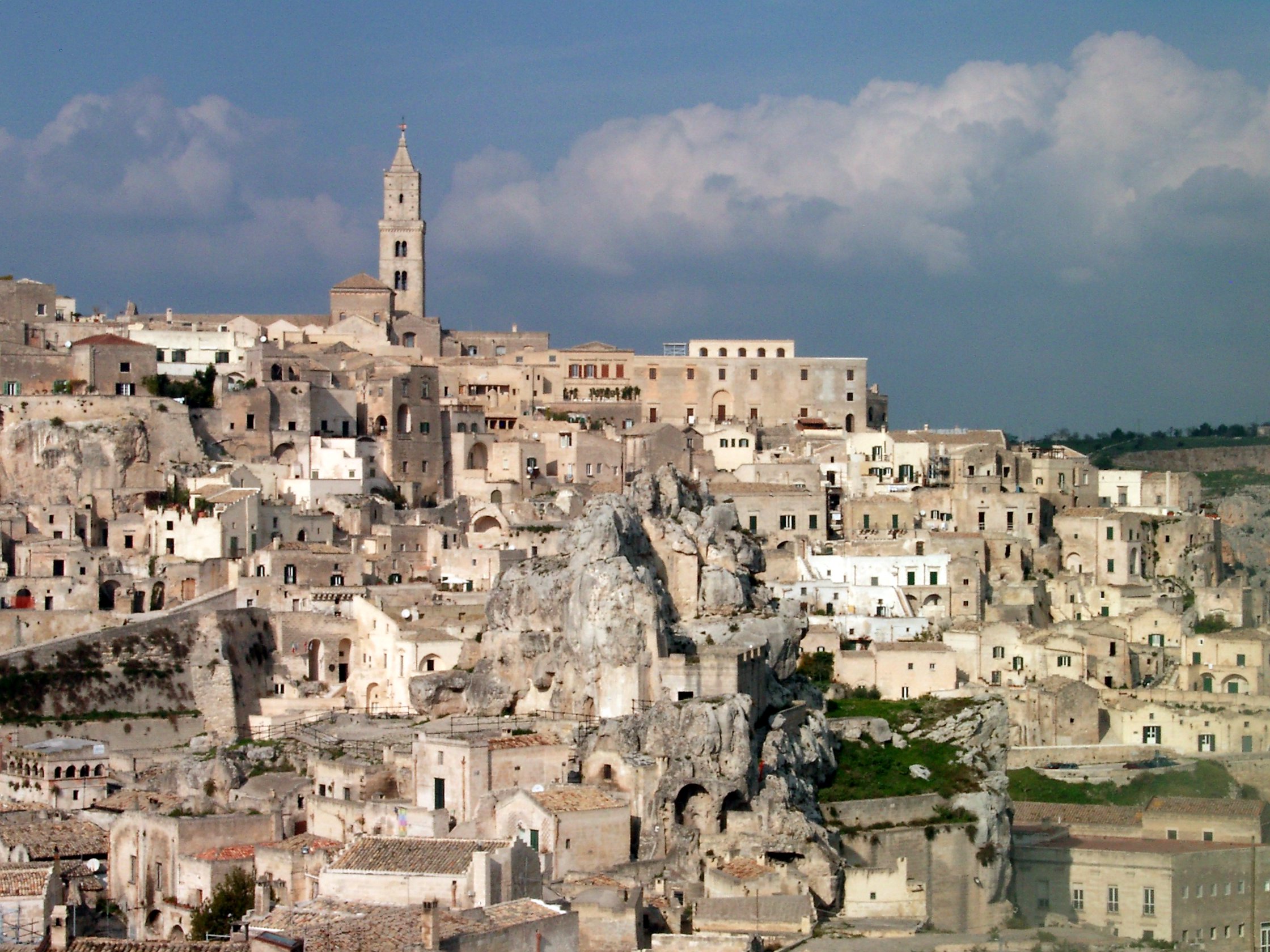
Church of Our Lady of Grace
The Church of Madonna delle Grazie in Matera, located in the heart of the city center, represents an important religious and cultural reference point for the local community. This place of worship, nestled among the historic alleys of the city, is a significant example of popular devotion and sacred architecture, rooted in a centuries-old history.
The church, built in the 19th century, was strongly desired by the local community as a sign of gratitude for the graces received and as a place of prayer dedicated to Madonna delle Grazie. Its construction was made possible thanks to the donations of the faithful and the commitment of the ecclesiastical authorities, who saw in this project a way to strengthen the faith and social cohesion of the city. The construction took place during a period of urban and religious renewal, which saw the realization of numerous public works and places of worship.
The architecture of the Church of Madonna delle Grazie is sober and elegant, reflecting the stylistic canons of the time. The facade, simple but imposing, is characterized by a main portal framed by Doric columns and surmounted by a triangular pediment. In the center of the facade, a niche houses the statue of Madonna delle Grazie, a symbol of protection and divine intercession. The interior of the church has a single nave, with a main altar dedicated to the Madonna and decorated with frescoes and stuccoes depicting scenes from the life of the Virgin.
From an artistic point of view, the church preserves important sacred works of art. Among these, stands out an altarpiece depicting Madonna delle Grazie with the Child, a work by a local artist from the 19th century. This painting, rich in details and symbolism, represents a significant example of Marian devotion and the artistic tradition of the city. Furthermore, the church houses various statues and relics, which testify to the long history of faith and worship of the Matera community.
The Church of Madonna delle Grazie is also a place of important religious celebrations. Every year, on the occasion of the feast of Madonna delle Grazie, the church becomes the center of a series of liturgical events and processions that involve the entire community. These celebrations, which combine elements of religious devotion and popular tradition, are moments of great collective participation and strengthening of social ties. The procession, in particular, is a highly anticipated event, during which the statue of Madonna is carried around the streets of the city, accompanied by songs and prayers.
From a social and political point of view, the Church of Madonna delle Grazie played a crucial role in the history of Matera. During the 19th century, the city went through a period of profound social and economic changes, which brought about new challenges and opportunities. In this context, the church became a reference point for the community, offering not only a place of worship, but also a space for gathering and social support. The ecclesiastical authorities, in collaboration with civil institutions, promoted numerous charitable and educational initiatives aimed at improving the living conditions of the population.
An interesting anecdote related to the Church of Madonna delle Grazie concerns a miracle attributed to the Madonna during the 20th century. It is said that during a period of severe drought, the faithful organized an extraordinary procession to ask for the intercession of Madonna delle Grazie. A few days later, abundant rain ended the drought, saving the crops and alleviating the suffering of the population. This event further strengthened the devotion of the people of Matera towards Madonna delle Grazie, who was considered a powerful and benevolent protector.
Read More