
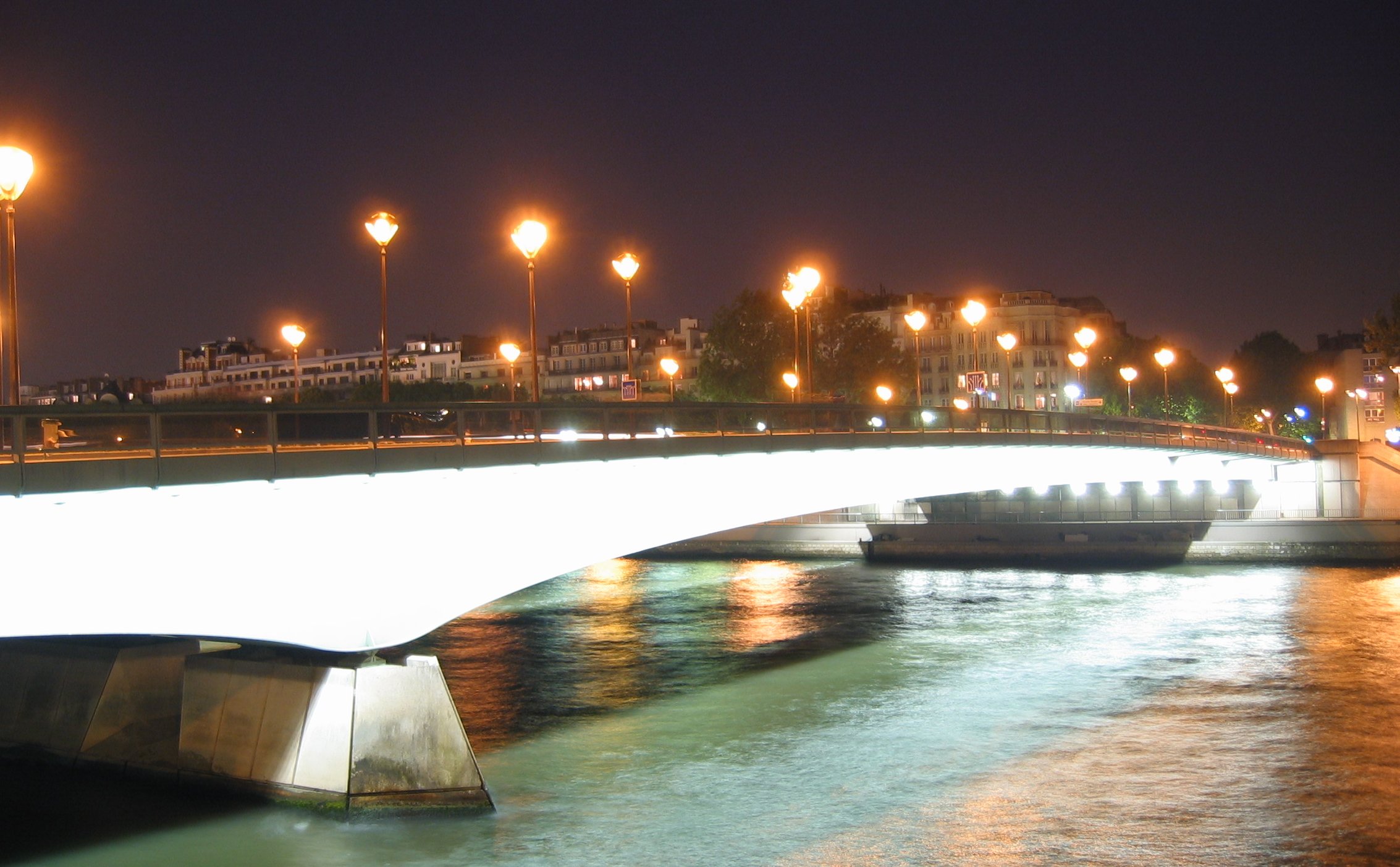
Bridge of the Soul (Pont de l'Alma)
The Pont de l’Alma is one of the most famous and historically significant bridges in Paris, not only for its architecture and function, but also for the role it has played in key events of recent history. Located in the 7th arrondissement, the bridge crosses the Seine, connecting avenue de New York on the right bank with avenue de la Nouvelle France on the left bank.
Originally built between 1854 and 1856 to celebrate the Franco-British victory in the Battle of the Alma during the Crimean War, the original bridge was designed by engineer Paul-Martin Gallocher de Lagalisserie. The bridge’s inauguration was celebrated by Napoleon III in 1856. One of the most distinctive features of the original bridge were its four statues of soldiers, each representing a different regiment of the French army: a Zouave, a Grenadier, an Alpine Hunter, and an Artilleryman. These decorative elements not only gave the bridge a monumental appearance, but also served as patriotic symbols.
Over time, the original bridge showed signs of deterioration and was no longer able to support Paris’ increasing traffic. Therefore, in the 1970s, the bridge was completely rebuilt. The current Pont de l’Alma, completed in 1974, retains only one of the original statues: that of the Zouave, which has been placed on one of the pillars of the new bridge. This statue has gained some fame as an informal measure of the water level of the Seine: when the water reaches the Zouave’s feet, it means the river is in flood, and when it reaches his thighs, it is a significant flood.
One of the most tragic events associated with the Pont de l’Alma is the death of Princess Diana. On August 31, 1997, a car accident in the tunnel under the bridge caused the death of Diana, Princess of Wales, along with her companion Dodi Al-Fayed and driver Henri Paul. This tragic event turned the Pont de l’Alma into a place of pilgrimage for many, with visitors leaving flowers and messages of condolence at the Flame of Liberty, a replica of the flame of the Statue of Liberty located above the tunnel entrance, which has become an unofficial memorial for Diana.
In addition to its historical and symbolic significance, the Pont de l’Alma also offers a spectacular view of some of Paris’ most iconic landmarks, such as the Eiffel Tower and the Grand Palais. Its strategic location makes it a privileged observation point to admire the Parisian panorama, especially at sunset, when the city lights create a magical atmosphere.
The Pont de l’Alma plays an essential role in Paris’ urban mobility, facilitating traffic flow between the right and left banks of the Seine. Thanks to its modern construction, the bridge is able to withstand the weight of contemporary traffic, including buses and heavy vehicles, ensuring the continuity of urban mobility.
The reconstruction of the bridge in the 1970s is an example of how Paris has been able to renew itself while keeping its historical heritage alive. By modernizing infrastructure, the city has preserved symbolic elements such as the Zouave, which continues to be a point of reference for Parisians and tourists.
Read More